
Summer is filled with sunshine, travel, lake days and time outdoors. All that fun can leave a mark on your skin. As we transition into fall, you may begin to notice that summer has left you with increased pigment, uneven skin tone, rough texture, dehydration and fine lines you did not notice three months ago.
This seasonal shift makes fall the ideal time to focus on repairing sumer damage and preparing your skin for more transformative treatments. At Odara, we believe the best results rarely come from a one-size-fits all approach. Instead, we create thoughtful in-office and at home treatment plans combined with our laser treatments for optimal results.
Why is fall known as laser season?
Many corrective treatments temporarily make the skin more sensitive to sunlight. During the fall months, we generally spend less time outdoors and experience fewer hours of intense sun exposure, making it easier to protect the skin while it heals.
Why is it important to begin your skin-preparation plan early?
This allows you and your provider to address active concerns including: pigmentation, active inflammation, strengthening skin barrier, and establishing a home care routine to ensure the best possible recovery and ultimately the best results from your treatments.
At Odara we highly encourage you to be proactive in your skin care regime prior to considering laser treatments; whether this is using a topical pigment corrector like Skin Better Science Even Intensive or Alastin’s A-Luminate, or pre-conditioning the skin with our favorite Alastin Nectar and Restorative Skin Complex. We want you to have the optimal result and therefore, we believe this is a necessity to prepare your skin for laser season.
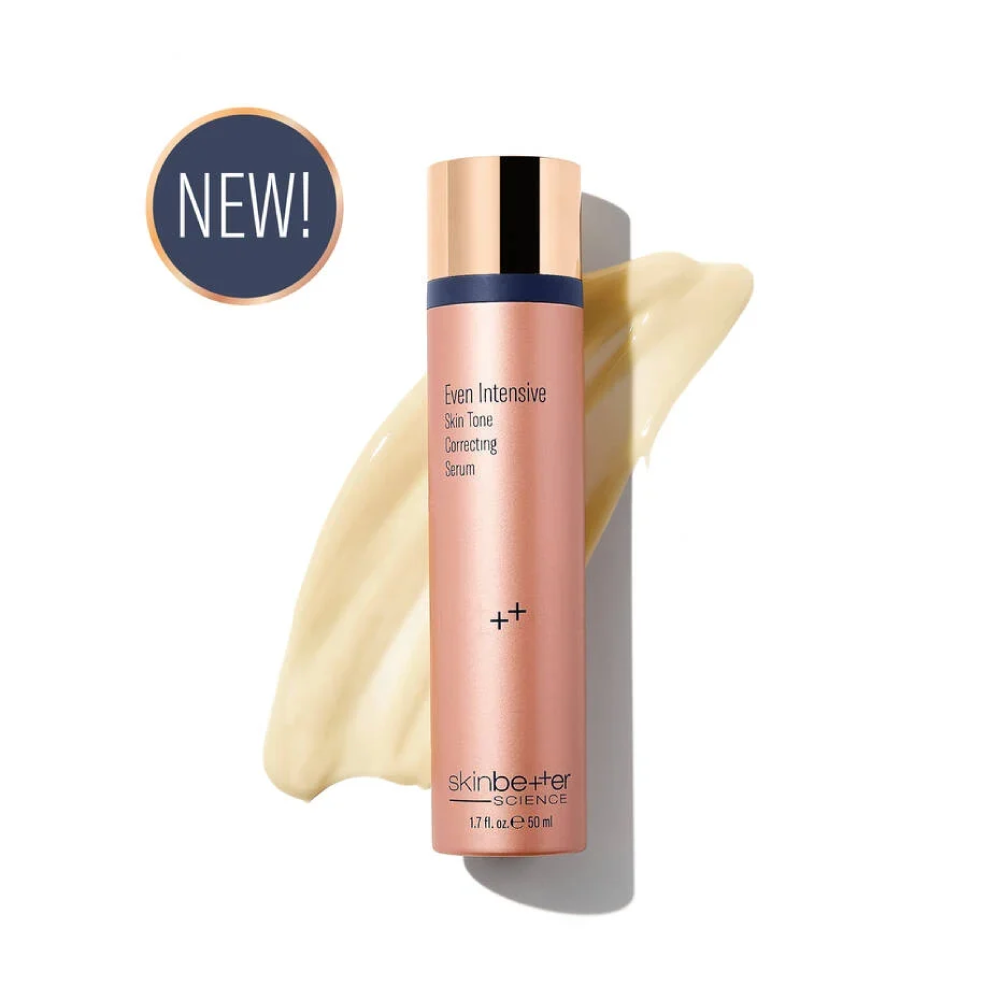
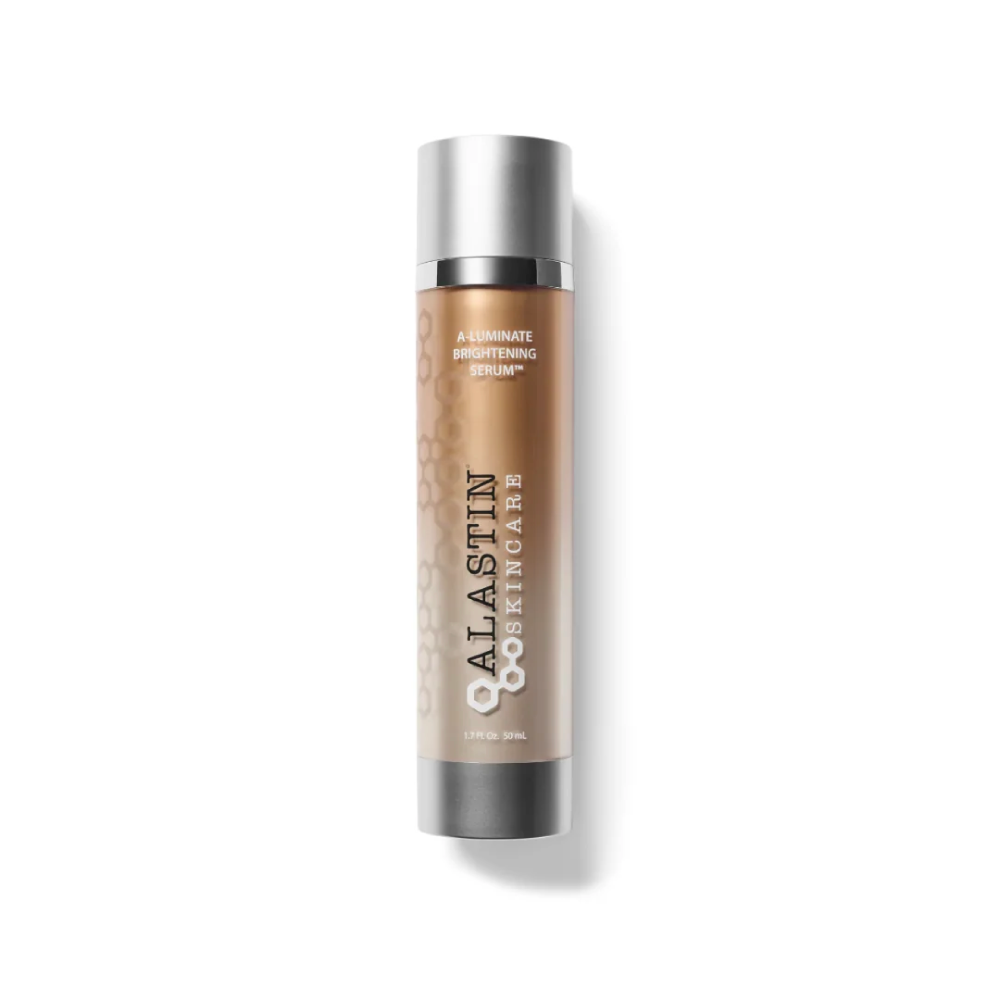
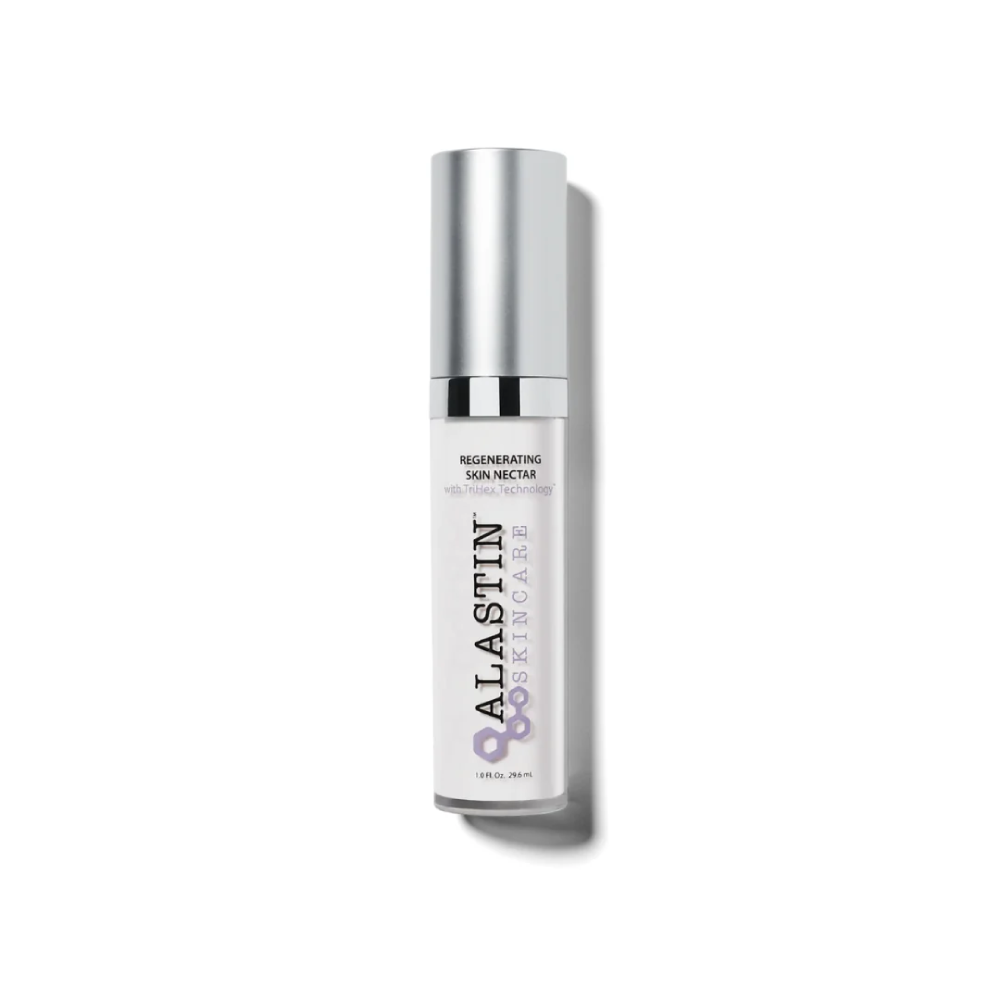
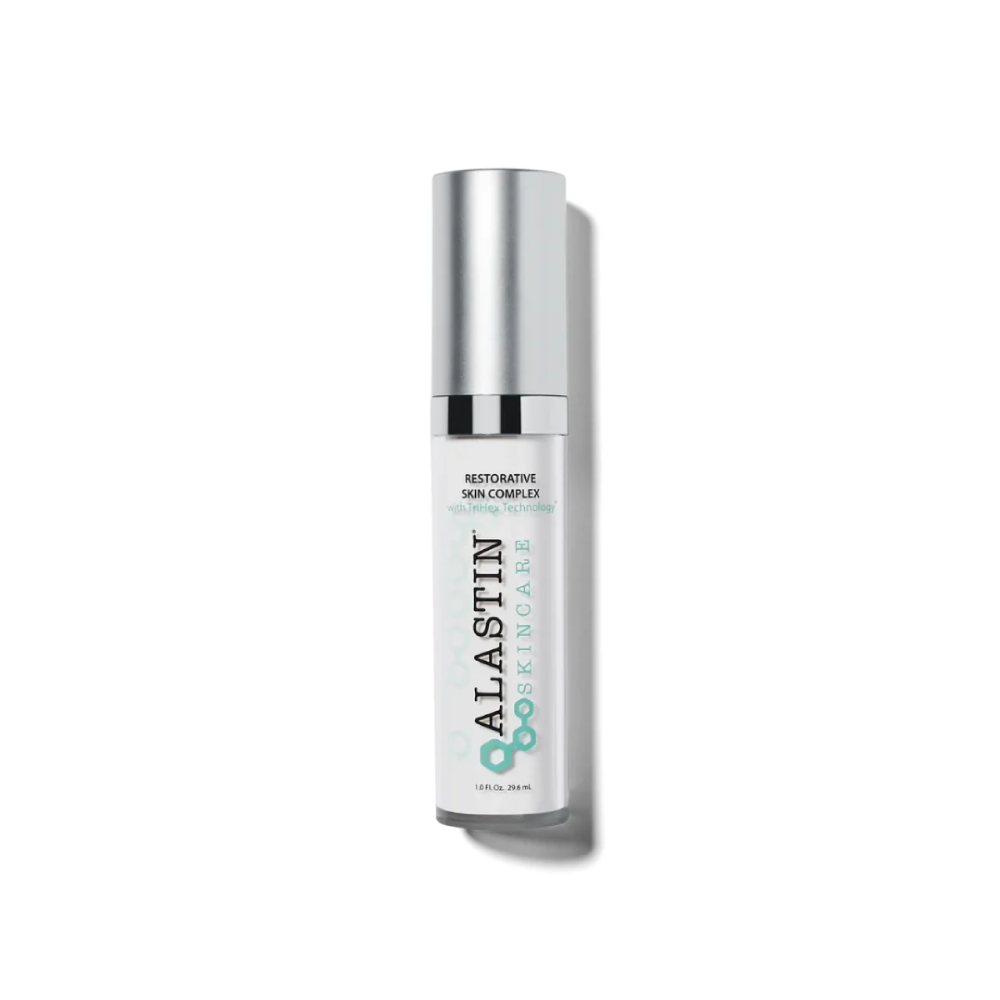
At Odara, every treatment begins with a thoughtful consultation, and is performed by experienced, highly trained providers who understand that successful treatments require more than just advanced technology. It requires careful treatment selection, customized settings, proper skin preparation and tailored post care regimens.
Laser Myth vs Facts:
Myth:
All laser treatments are the same.
Fact:
Not all lasers are the same. Different technologies target different concerns.
Let’s start with the basics —
Non-ablative vs Ablative
Non-Ablative produces heat and thermal injury to an area without physically removing the tissue. Think IPL (Intense Pulse LIght) which removes pigment and small blood vessels without removing any tissue.
Ablative creates thermal injury that vaporizes tissue creating a controlled injury, leaving a dedicated amount of healthy tissue to help skin heal faster, think resurfacing CoolPeel/DEKA CO2 and Morpheus 8.
What concerns do each of these lasers target?
IPL uses broad-spectrum light to target redness, freckles, sun damage, small capillaries and even those pesky one to two spots of hyperpigmentation you always notice in your photos.
CoolPeel and DEKA resurfacing CO2 may be used to address texture, fine lines, scarring and sun damage.
Morpheus 8, while not a true laser, combines a combination of fractional resurfacing and collagen stimulation that works to create a fractional ablative injury to tighten the skin and stimulate collagen production. Think smoother texture, firmer-looking skin.
The right laser and treatment depends on your skin type, goals, medical history and available downtime.
Myth:
The strongest treatment always gives the best results.
Fact:
More aggressive treatments do not always mean better results.
The safest and most effective treatments are the ones appropriately selected for your skin type. Even within one device, treatment depth and intensity can be customized. An experienced provider will balance intensity with your skin type, healing ability and desired recovery/downtime to safely get you the best result.
Myth:
Every laser treatment requires weeks of downtime
Fact:
Downtime varies significantly.
Intense Pulse Light (IPL) has 1-3 days of mild redness, and possible bruising. A light resurfacing treatment (like CoolPeel CO2) may result in only 1-3 days downtime (redness, dryness, flaking). While a more aggressive treatment (DEKA CO2, Morpheus 8) may involve additional days of downtime and longer recovery.
Myth:
CO2 laser is only a cosmetic treatment.
Fact:
CO2 resurfacing removes layers of severely sun-damaged skin.
It may help reduce actinic keratosis (precancerous cells that can sometimes develop into squamous cell carcinoma SCC). Emerging research suggests that it may also help reduce future non-melanoma skin cancers in treated areas, BUT CO2 is not a substitute for skin-cancer screenings, treatment of active cancers or dermatology directed care.
Myth:
Laser treatments are safe for everyone.
Fact:
Not everyone is a candidate for laser treatments.
Recent suntanning, use of topical self tanning products, certain medications, active infection and pregnancy may be contraindicated for laser treatments. One of the many reasons it is imperative to seek treatment from an educated, experienced provider who can perform a complete history and consultation prior to your treatment.
When it comes to your skin, who performs your treatment matters just as much as the treatment itself.
We have two highly skilled Nurse Practitioners who bring medical education, assessment skills, in depth knowledge of anatomy, medications and health conditions to help build a comprehensive plan for your skin care goals.
Combined with our two highly skilled and experienced Master Estheticians/Laser Technicians who have received specialized education in skin health, laser and energy based treatments, skin preparation and post care support.
We value the importance of staying up to date with current protocols and advancing technology by investing in regular ongoing laser training and education.Together, Odara Providers bring a combined 23 years of laser experience.
Our collaborative approach allows us to create a thoughtful, comprehensive treatment plan for you to achieve your most refined, healthy skin. Because results depend on more than the laser - they depend on the expertise behind it.
